Ashwini Vaishnaw Inaugurates ‘WAVES Creators’ Corner’ at India AI Impact Summit 2026
Minister Engages with 51 Media Tech Startups and Challenge Winners at WAVES

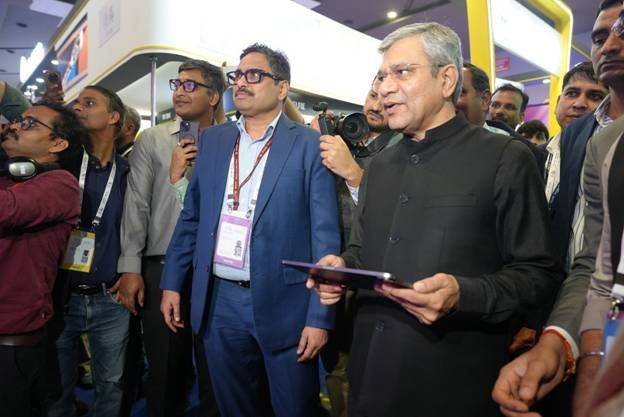
Tech News, New Delhi, 18 February, 2026: The Union Minister for Information and Broadcasting, Ashwini Vaishnaw, inaugurated the WAVES Creators’ Corner on the second day of the India AI Impact Summit 2026. Conceptualized as a fully operational, hands-on innovation workspace, the Pavilion is designed to demonstrate the transformative applications of Artificial Intelligence within the AVGC-XR (Animation, VFX, Gaming, Comics, and Extended Reality) ecosystem.
During the inaugural ceremony, the Minister underscored that the WAVES Creators’ Corner serves as a strategic extension of the Ministry’s key initiatives, including WaveX, Waves Bazaar, and the Create in India Challenges. Union Minister Vaishnaw conducted an extensive walkthrough of the pavilion, interacting with emerging entrepreneurs from the WaveX startup cohort and senior leadership from global entities such as Adobe, Netflix, Sony, and Amazon.
51 Startups Got Exposure
In a significant boost to the Media & Entertainment ecosystem, 51 promising AVGC-XR and Media Tech startups, supported by WaveX, are showcasing AI-powered solutions and immersive technologies at the Pavilion. Shri Ashwini Vaishnaw interacted with these entrepreneurs, including winners of the Bhasha Setu and Kalaa Setu challenges.
Fireside Chat with Shradha Sharma
The Minister also participated in a high-profile fireside conversation with Shradha Sharma of YourStory at the Media Lounge. In this session, he shared his perspective on the profound impact of AI on society, highlighting how technology is bridging the gap for talent from rural India to establish world-class startups.
Key Technological Highlights at WAVES Creators’ Corner
The Pavilion showcased cutting-edge AI experiences, from real-time game development and prompt-to-cinema live studios to an Agentic AI-powered newsroom by AWS and BharatGen enabling automated editorial workflows. Innovations included Sarvam’s real-time voice cloning and Indus Chat App for multilingual interaction, 270-degree AI film screenings curated by NFDC, Sony Research India’s face and voice re-aging technology, and Whistling Woods International’s marker-less motion capture using a DSLR or iPhone.
Capacity Building and Future Readiness:
The Minister praised IICT for integrating AI into creative education to equip students for evolving industry demands.
WAVES Creators’ Corner:
The platform will continue hosting expert dialogues, filmmaker masterclasses, and technical sessions by global leaders throughout the Summit.