

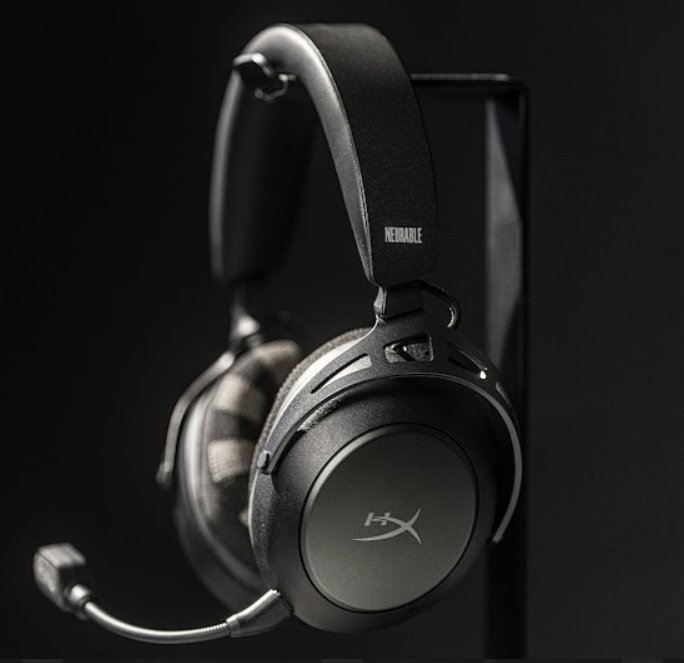
Tech News, January 7, LAS VEGAS: While the last decade was defined by hardware speed and RGB lighting, CES 2026 has marked a definitive shift toward “Internal Performance.” In a landmark announcement, HP (under its newly unified HyperX brand) and neurotechnology leader Neurable have unveiled a collaborative gaming headset that integrates Electroencephalogram (EEG) sensors to monitor a player’s brain activity in real-time.
This partnership merges HP’s gaming dominance with Neurable’s clinical-grade neurotech, turning a player’s mental state into actionable data. The goal is to help gamers reach a “flow state” more consistently while preventing “tilt”—the performance-crushing frustration familiar to every competitive player.
The Tech: Neuroscience Meets High-Performance Gear
This industry-first gaming wearable demonstrates how AI and neuroscience can work together to improve focus and accuracy. By embedding non-invasive sensors into the ear cushions, the headset interprets brain activity without the need for clinical gel or bulky equipment.
“PRIME” Neurofeedback: A personalized pre-match “meditation” tool. By visualizing focus on-screen, it helps players “lock in” their mental state before a match.
Performance Gains: Preliminary studies with esports athletes showed a 43-millisecond reduction in reaction time and a nearly 3% increase in accuracy after using the “Prime” system.
The “Brain Battery”: A real-time meter that tracks cognitive load and mental fatigue, alerting streamers and pros when it’s time to take a “Brain Break” to avoid burnout.
A New Era for HP Gaming
The announcement comes as HP officially consolidates its OMEN and HyperX lines into a single master brand: HyperX. This new strategic direction positions the brand to lead the projected $20 billion gaming wearable market.
“HyperX allows us to bring neurotechnology to gamers at a scale we’ve never been able to reach before,” said Ramses Alcaide, CEO and Co-Founder of Neurable. “We’re proving that neuroscience can meaningfully elevate performance and transform the way people play.”